
Cart
0
You may also like
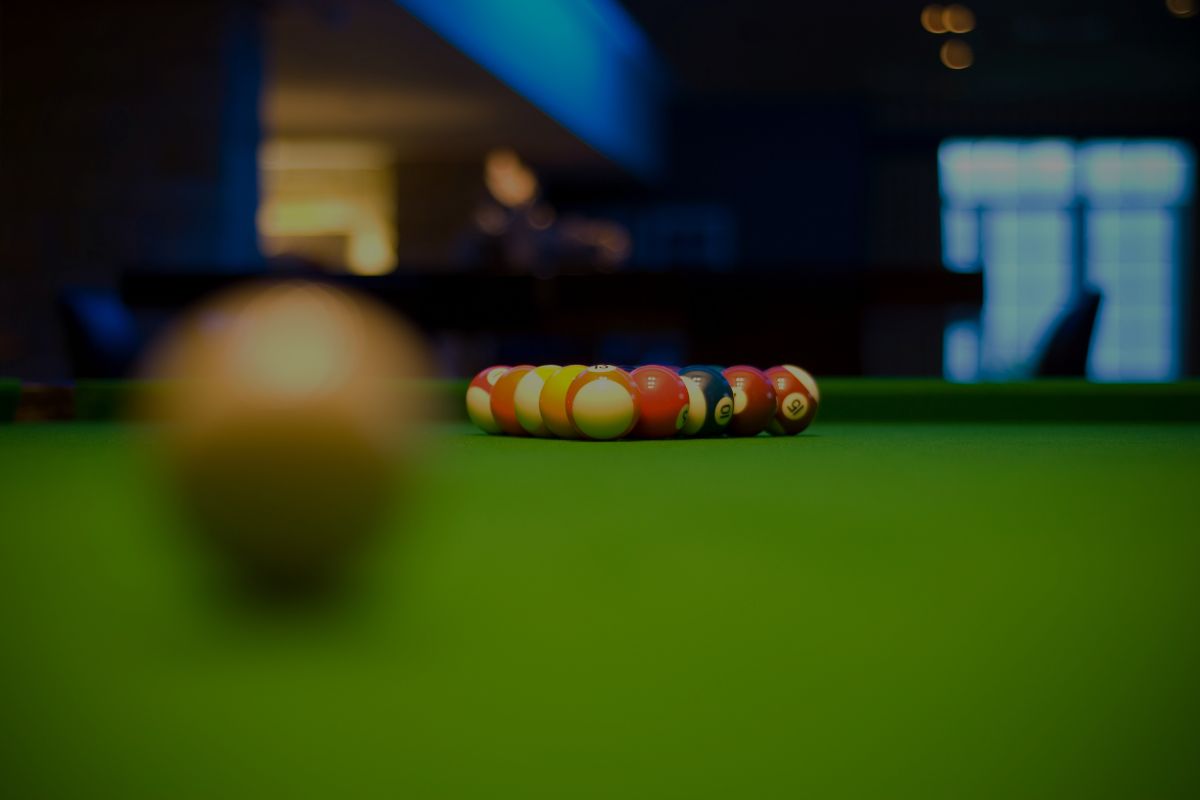
Want to make the eight on the break? You're definitely not alone. While it may not be the only secret to running racks, being able to make the eight on the break is sure sign that you're on track to be a pro. If you can control where the eight ball lands, you can do just about anything.
This post explains how to master the basics and develop a consistent break technique so you can elevate your game, and even make the eight on the break if you want. It provides drills that reinforce break cue skills and highlights common mistakes to steer clear of. You will gain actionable advice to improve your performance and set new break goals.
More of a visual learner? Check out this great tutorial from Thomas, our resident pro. We've also got more videos below demonstrating specific techniques.
This section outlines key break cue techniques: understanding a quality break cue's steel construction and optimal weight, mastering the components of a strong break shot including jump shot and rack setup, maintaining proper stance and grip for control, aligning eyes precisely, refining stroke mechanics, and adapting break angle.
Knowing how to leave the cue ball where you want it after the break (ideally in the middle of the table if you're practicing) is probably the most important skill you can acquire. In the video below, Thomas demonstrates how to leave the cue ball in the middle of the table using a pop break. He shows that if you aim for the dead center of the rack and elevate your bridge hand slightly, you can cause the ball to jump and land in the middle of the table. Practice this move until you can repeat it consistently every time.
Take a long look at the shot and envision it completely before you "get down" (i.e. lower yourself to take a shot) on the cue. Thomas says to find your aiming line before you get down on the shot and position your cue there. It'll provide a lot more control because your mind will find it easier to pick the correct angle for your shot.
The most common mistakes Thomas sees from new players is gripping the cue too tightly & a wobbly bridge. For the former, practice taking shots with a relaxed, loose grip, and to maintain control over the cue, focus on following through instead. Ensure that the cue tip "follows" the cue in a straight line after contact.
A shaky bridge can also ruin your break. Spread out your fingers to keep your hand flat and stable. All of your fingers should rest firmly against the table, except for your pointer, which you'll wrap around the cue. You'll know you're doing it right if your cue is able to travel a straight line along the length of your hand.
Thomas demonstrates the technique here:
Aim is crucial, but so is envisioning the whole shot in your mind before you take it. Where do you want the cue ball to hit? Where will the other balls move when you do? And where will the cue ball land after? Where will your cue lie when you complete your shot? Create a mental image of the entire shot before you get down on the cue. It'll prime your mind to pick the right angle and follow through on all the steps in the shot.
Regular drills that focus on stroke accuracy help players overcome common challenges at the pool table. To improve your break, we recommend practicing leaving the cue ball in the center of the table until you've mastered it.
If you're struggling with the break, and you think you're doing everything right during practice, then it might be your cue. If it's wobbly, deflects poorly, or just doesn't deliver enough power, it might be time to upgrade.
Thomas frequently recommends the Cynergy Breach to players looking for an exceptional break cue, but you can check out our full collection of break cues if you want more options!
There's a few mistakes Thomas commonly sees in players learning to break. Let's take a look at how a few of them impact your game.
Players grip the cue too tightly in an effort to deliver a shot that has power. But as Thomas shows, this can backfire by reducing your control over the shot. We've got a whole guide to stroke fundamentals that includes a deeper dive into grip, but the gist is that you should practice maintaining a very loose, relaxed grip and focus on follow-through to create the power that you need.
Not envisioning the entire shot is another mistake we see a lot of new players make, and they do it in two ways. First, they only think about where the cue ball will go. Second, they only aim when they're already down on the shot.
Both seem pretty intuitive! Shouldn't the player have a "better" view at cue level? But actually, if you stand behind the cue ball and look at the entire table from above, envisioning your whole shot (what happens before and after), you'll pick a much more accurate angle than you will if you're at cue level. That's because from above, you can see the entire path that each ball will take.
Succumbing to distraction is another sign that distinguishes a new player form a pro. New players tend to underestimate the importance of mindset in pool. Maintaining calm and sustained focus helps players avoid rushed movements that disrupt shot accuracy. Practice sessions that include mental exercises alongside physical drills offer tangible benefits, contributing to a more reliable execution during breaking and overall enhanced pool performance.
Practicing making the eight on the break is another fantastic drill that will improve your game and let you show off to your friends. And it's not as hard as it seems! Thomas shows you how in the video at the top of the page, but here's the gist:
First, set up a really tight rack. In the video, Thomas uses a magic rack (you can find them in our store here), which is a template-style rack that helps keep everything tight.
He then positions himself at the left side of the table behind the second diamond, and chalks his cue (another important step that beginners often miss). Before he gets down, he aims at the second ball in the rack and chooses his angle. He notes that this will send the eight ball into the side pocket, also a good demonstration of visualizing the entire shot.
Finally, Thomas says to use low right English to prevent scratch. Always remember to follow through on your shot! And don't give up if you don't make it on the first shot. Making the eight ball on the break doesn't automatically turn your into a pro, but using it to drill the perfect technique definitely will!
Achieving mastery over break cue techniques boosts performance on the pool table. Players improve control through consistent practice, precise stance, and careful cue alignment. The integration of targeted drills and performance evaluation guides steady progress in shot accuracy and break force control. These best practices lead to enhanced game outcomes and build a strong foundation for future success.
Want a break cue that works as hard as you do? Check out the Cynergy Breach, featuring a 12.75mm carbon fiber composite break shaft engineered for power. With a stiffer carbon fiber filament orientation paired with a rock-solid phenolic ferrule and Cuetec Kintrol® composite break/jump tip, each Breach break cue arrives ready to annihilate the competition.


![DO THIS ONE THING to Break in Pool Like a Pro [VIDEO]](http://cue-pros.com/cdn/shop/articles/how-to-break-in-pool_0195d14e-6671-46c2-a8e9-4a6d91cb1943.jpg?v=1785856609&width=300)