
Cart
0
You may also like
Your pool cue is more than just a stick; it’s an extension of your arm and the most critical tool in your arsenal. Whether you’re a seasoned pro or someone who’s just starting to take the game more seriously, you need to take care of your cue.
By adopting a few simple habits, you can protect your investment and ensure your cue performs flawlessly for years to come. To do so correctly, here’s everything you need to know about maintaining your cue to keep it in championship condition.
The oils from your hands, chalk dust, and general dirt can build up on the shaft of your cue surprisingly fast. This buildup can make the cue sticky, affecting your stroke and accuracy. To keep your stroke smooth, get into the habit of cleaning your cue after every session.
A soft, slightly damp cloth is usually all you need to wipe down the shaft. Gently rub the shaft to remove surface oils and chalk. Immediately follow up with a dry cloth to ensure no moisture remains, as water can damage the wood over time.
Avoid using harsh chemicals or household cleaners. These can strip the finish and damage the wood’s natural grain. If you need a deeper clean, look for specialized cue cleaning products designed to condition and seal the wood without causing harm.
Being the point of contact that transfers energy from your stroke to the cue ball, the tip is where the magic happens. A neglected tip leads to miscues and poor ball control. Keeping it shaped and scuffed allows it to hold chalk better, giving you the grip needed to spin the cue ball.
Use a cue tip shaper or scuffer regularly to maintain a “nickel” or “dime” radius, depending on your preference. If the tip starts mushrooming (bulging over the sides of the ferrule), trim it back carefully. Just remember that eventually, every tip wears down. When yours becomes too thin or hard, replace it promptly to prevent damage to the ferrule and to keep your shots consistent.

One of the most common ways cues get ruined is through improper storage. Wood is a natural material that reacts to stress and gravity. Leaning your cue against a wall might seem harmless, but over time, the weight of the cue at that angle causes it to bow and warp. Always store your cue upright in a cue rack or flat in a dedicated case. This keeps the stress off the shaft and prevents bending.
Keep in mind that environment matters just as much as positioning. Extreme temperatures and humidity are the enemies of wood. Leaving your cue in a hot car or a damp basement can cause the wood to expand and contract, something that eventually causes warping. Keep your cue in a climate-controlled environment whenever possible or upgrade to a carbon fiber pool cue to avoid this issue altogether.
Even with the best care, warping can still happen. That’s why it’s important to check your cue’s straightness periodically so you can catch issues early. The easiest way to do this is to roll the cue on a known flat surface, like a pool table. Watch the tip as it rolls. If the tip wobbles up and down while the butt remains flat, you likely have a warp in the shaft.
If you notice warping, don’t panic just yet. A professional can sometimes correct minor warps, but if the warping is severe enough, it likely means that it’s time for a replacement shaft. Catching it early gives you the best chance of saving your cue.
The ferrule and the joint are crucial for the structural integrity of your stick, but are often forgotten about. Over time, the ferrule can become discolored from chalk. Use a specialized cleaner or a very mild abrasive pad to gently clean it, being careful not to scratch the shaft wood. This will help keep your cue looking sharp and professional.
For the joint, cleanliness is key to a secure, vibration-free hit. Dirt or debris in the joint threads can prevent the cue from tightening fully, leading to a loose feel and a “buzzing” sound when you shoot. Wipe the joint threads with a clean cloth or a cotton swab. Using joint protectors is highly recommended, as they prevent debris from entering the threads and protect the joint pin from bending if you accidentally drop your cue.
Accidents can also happen when you’re on the move. Banging your cue against a doorframe or dropping it in the parking lot can cause dents, scratches, or even catastrophic breaks.
Investing in a high-quality, padded cue case is one of the best decisions you can make. A hard case offers superior protection against impacts, while a soft case offers lightweight convenience for quick trips. Look for a case with separate compartments for the butt and shaft to prevent them from knocking against each other.

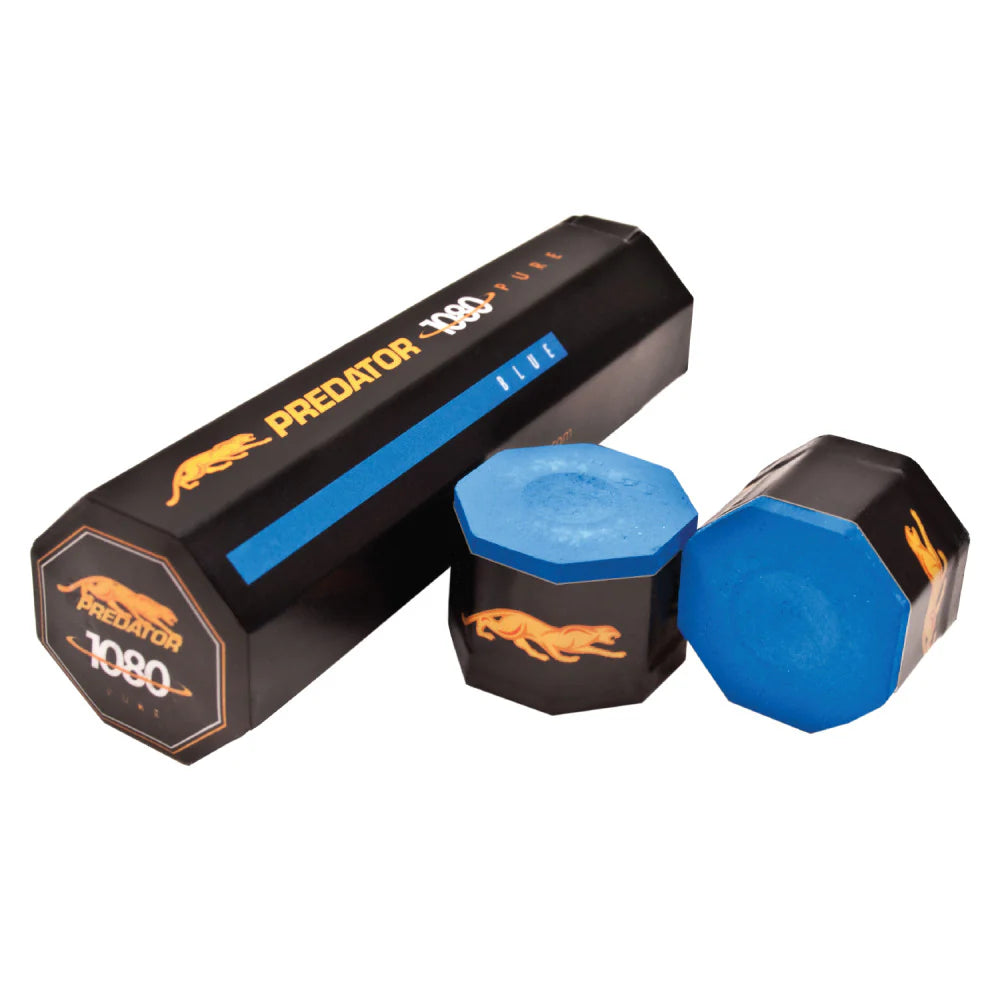
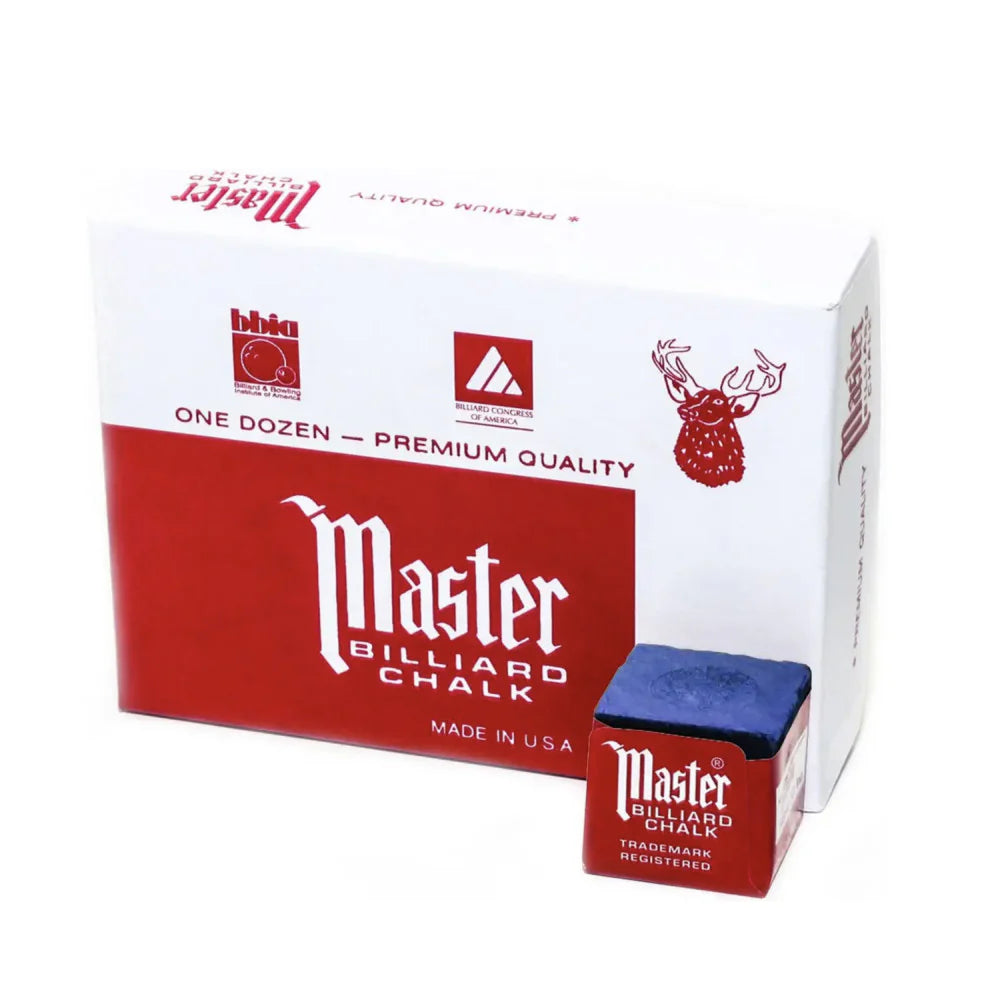
Chalk is essential for friction, but too much can be a bad thing. Many newer players tend to grind their cue tip into the chalk block, which creates a thick layer of dust that doesn’t actually stick to the leather.
Instead, brush the chalk lightly across the tip. This applies an even coat without caking. Excess chalk falls onto the table, dirtying the cloth and balls, and it also migrates down your cue shaft, contributing to that sticky buildup mentioned earlier. Always wipe excess chalk off the ferrule and shaft to keep your equipment clean.
While it’ll be up to you to handle most of these tasks, the key to maintaining your pool cue properly is to know when to leave it to the experts. A professional cue smith has the tools and expertise to perform tasks that require precision, such as replacing a ferrule, fixing a loose joint, or refinishing a shaft to make it smooth as glass again.
Consider taking your cue to a pro once a year for a “tune-up.” They can inspect it for structural issues you might miss and potentially even give it a deep clean to restore its original slickness. It’s a small investment that ensures your cue performs at its absolute peak.


