
Cart
0
You may also like
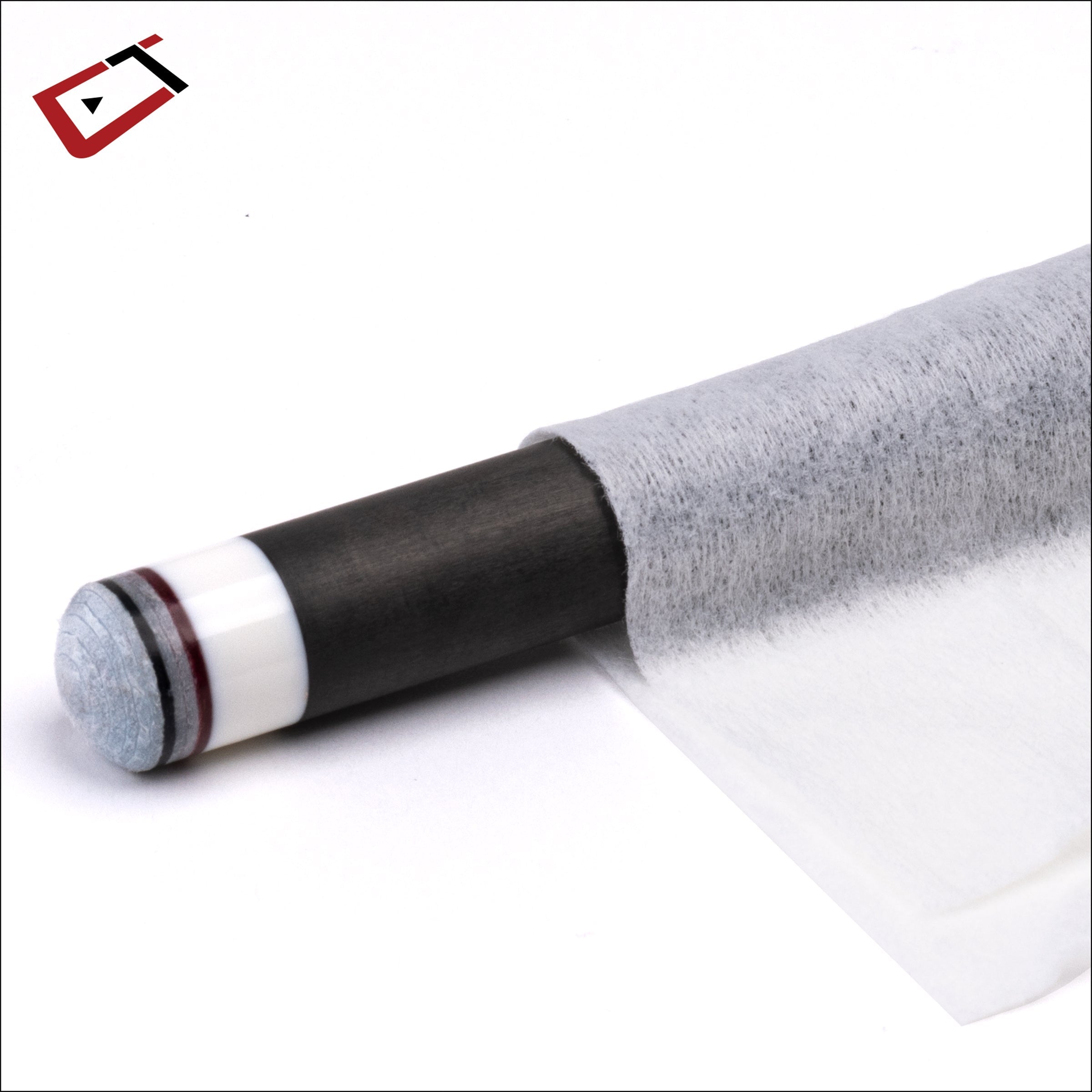
There's nothing quite like the feeling of a perfectly smooth cue shaft gliding through your bridge hand. But if you’ve noticed that buttery-smooth sensation has slowly disappeared over time, then you’re probably overdue for a cleaning.
Even if you keep your cue in a case, your cue accumulates grime each time you play. Chalk dust will settle into the grain, skin oils will transfer from your hands, and microscopic debris can grind against the wood. Left unchecked, this buildup creates drag and causes miscues or worse.
But with a few simple tools and consistent habits, you can keep your shaft as smooth as the day you opened it. In this guide, we'll walk you through exactly how to clean your pool cue shaft the right way, and how to avoid the common mistakes that can permanently damage your equipment. Let’s get started.
For most everyday buildup, a clean, dry microfiber towel is all you need. A firm, thorough wipe-down will remove a significant amount of the debris that accumulates during a normal playing session. Just make sure to use a fresh towel or a clean section each time to avoid redistributing grime.
Another important line of defense is a shaft slicker, a tool I highly recommend investing in. A shaft slicker is a slightly rougher cloth that removes embedded debris and chalk dust while also performing a very light sanding action to smooth out microscopic nicks and burns. Bring out the shaft slicker when the debris is too thick for a clean towel.
For deeper cleaning sessions, pre-moistened shaft cleaning wipes formulated specifically for cues are your safest option. Alternatively, you can apply a small amount of isopropyl alcohol to a microfiber towel (not directly onto the shaf) and wipe it down. Follow up with a shaft polish after you wipe it down to protect it from moisture.
For stubborn, ground-in deposits that won't budge, a piece of melamine foam (like a Mr. Clean Magic Eraser) can be gently rubbed over the shaft. Just be sure to use light pressure, as it is a very fine abrasive.

Cuetec shaft cleaning wipes (Above)
Before and after every playing session, get into the habit of wiping your entire cue down with a clean microfiber towel. This removes surface chalk, hand oils, and dust before they have a chance to bond with the wood. Equally important is washing your hands before you play and periodically during your session. Clean hands transfer less oil and moisture to the shaft, meaning you'll have to scrub it less often.
For in-between deep cleans, you don't need to do much if you're diligent about the steps above. If you notice a slick or sticky spot starting to form, that's your cue to pull out your shaft cleaning wipes or shaft slicker for a quick spot treatment. You can also use melamine foam sparingly for any sudden, heavy marks.
If you clean your shaft with wipes, alcohol, or melamine foam, you should always follow up with a shaft wax or conditioner. These cleaning methods strip away not just dirt, but also the wood's natural protective layer. A light coat of wax replaces that barrier, sealing the pores and keeping the shaft glassy-smooth for your next game.

Shaft slicker (Above)
Never use water or a damp cloth on your cue. Moisture is the enemy of wood; it can penetrate the grain, causing it to swell, crack, or warp, and it can even loosen the glue that secures the ferrule or joint. Beyond water, strictly avoid household cleaning chemicals like Windex, bleach, furniture polish, or any all-purpose sprays. These products contain harsh solvents, silicones, and oils that will strip the wood's natural finish and can even chemically break down the wood fibers over time. Even "natural" cleaners like vinegar or lemon juice are too acidic and can dull or discolor the shaft.
When in doubt, stick to products specifically designed for pool cues, or simply use a dry microfiber towel.
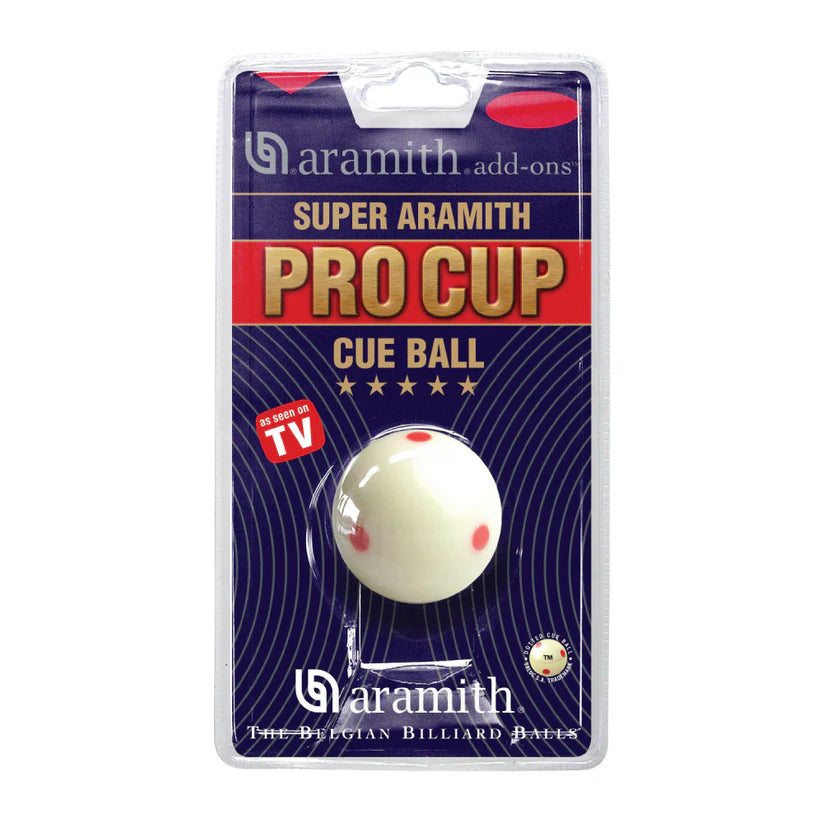
Your balls also take a beating with every game. The simplest and most effective practice is to wipe the cue ball down with a microfiber cloth somewhat regularly (ideally after each session or whenever you notice them looking dull or gray).
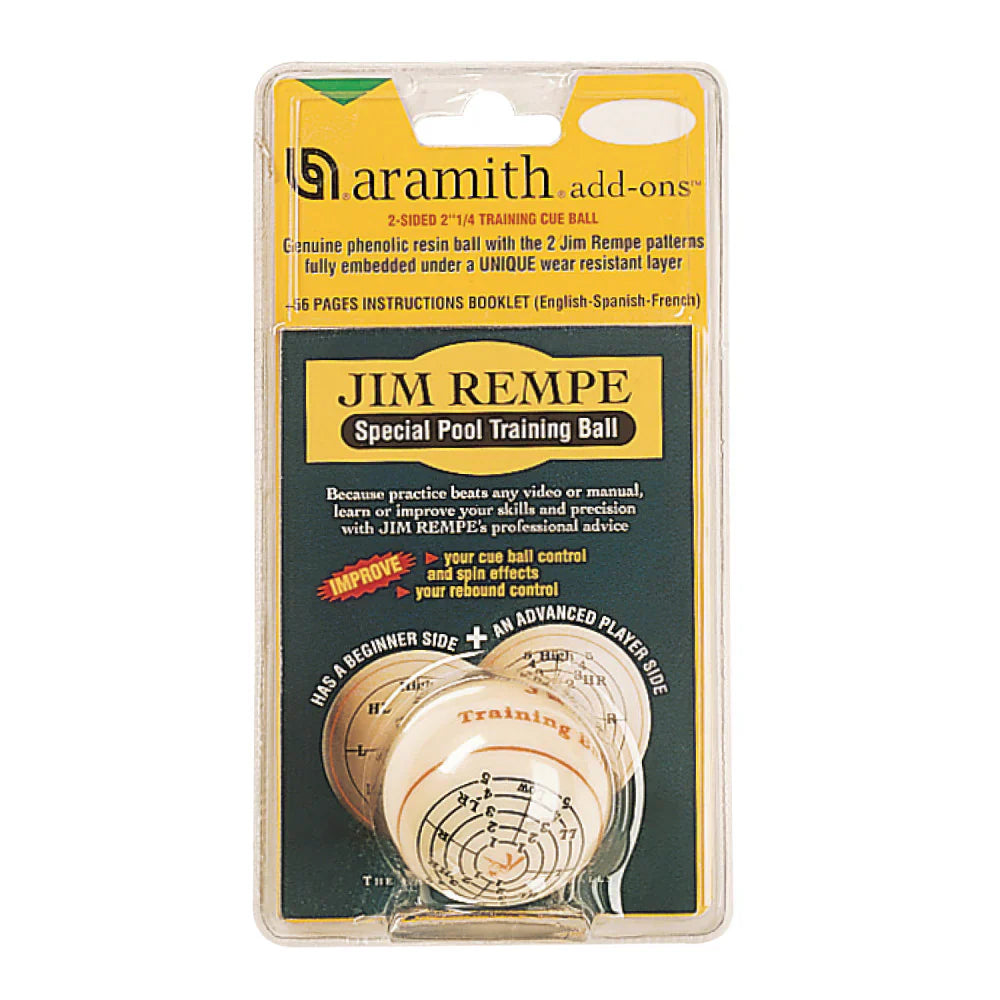
Chalk marks and stubborn ring stains can sometimes bond to the surface of the cue ball and resist a simple wipe. When that happens, don't resort to abrasive scrubbers or household cleaners. Instead, invest in a specialized ball cleaner, such as the one made by Aramith. These products are formulated specifically for phenolic resin balls. For heavily soiled balls, you can also use a ball polisher machine or apply the cleaner with a soft cloth and buff thoroughly.

By incorporating a few simple cleaning habits into your routine, you can ensure your cue’s performance for years. Wipe down your shaft before and after every session, keep your hands clean, and address stubborn grime with the right tools.
The good news? You don't need a closet full of expensive equipment to get it right. With just a few products, you can handle everything from daily dust to deep-set deposits, keeping both your shaft and cue ball in pristine condition:


