
Cart
0
You may also like
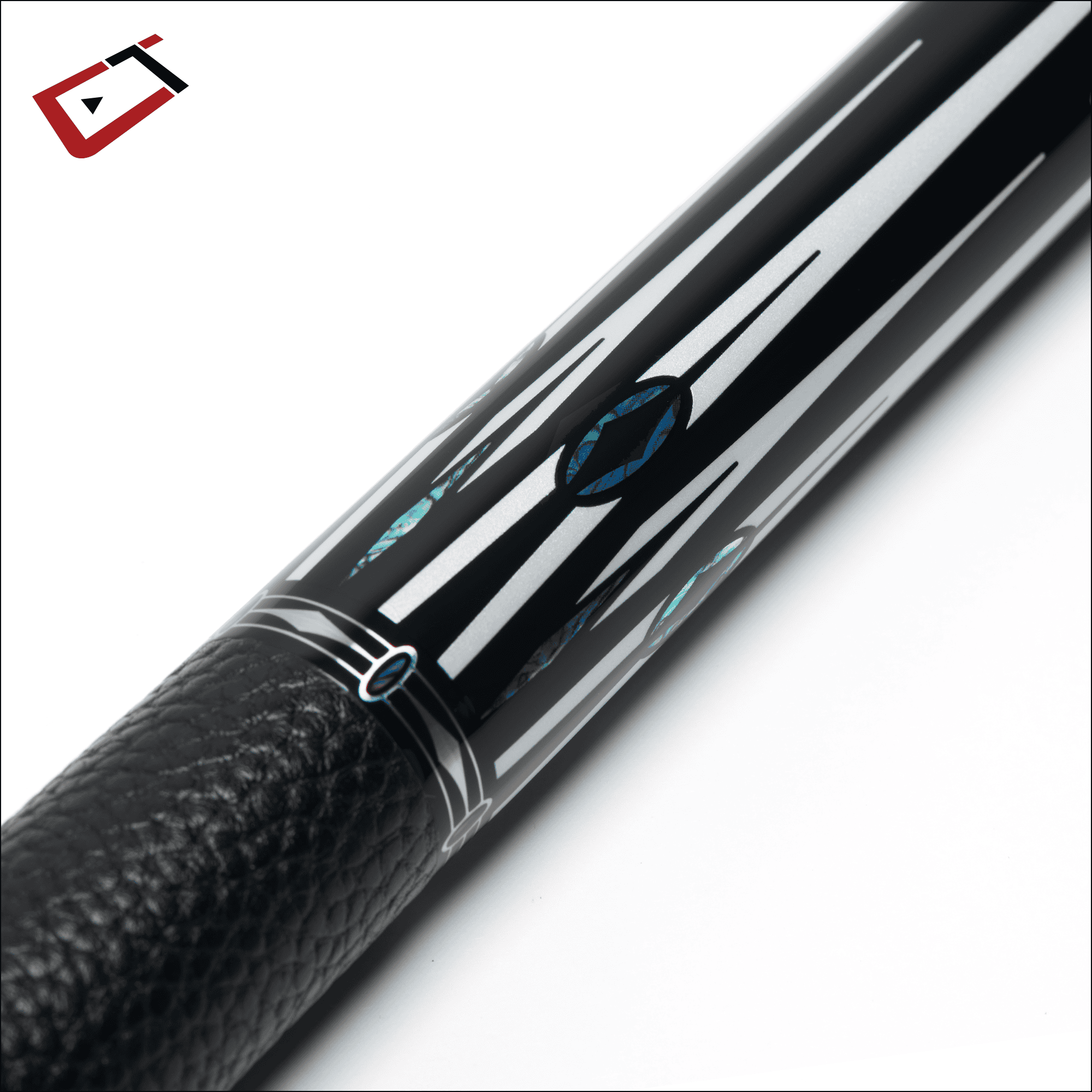
If you’ve been spending more time around the pool table lately, you might be thinking about a carbon fiber upgrade. They're sleek, they're high-tech, and every serious player seems to be swinging one. But then you look at the price tag on a Triple 60 or a Cuetec SVB and your jaw hits the floor. Eight hundred bucks? A thousand?
But here's the thing: you don't need to take out a second mortgage to get your hands on carbon fiber performance. There are legit ways to get carbon fiber (or near-carbon-fiber) technology into your hands for well under the price point of a two piece. In this guide, we're going to walk you through every angle: buying just the shaft, grabbing a low-deflection alternative, hunting down used deals, and trying hybrids. Let's dive in.
We won’t beat around the bush: Professional, full carbon fiber starts in the $800 range and only goes up from there. But maybe you’re not ready to invest at that level, so what should you do? If you have less than $500 to spend on a carbon fiber cue, you can try the following:
Pairing a quality shaft with a less expensive butt is a legitimate and cost-effective way to start your carbon fiber journey. While you can’t find a quality two piece carbon fiber for under $500, you can certainly find a great shaft at that price. The Cuetec Cynergy, one of the best carbon fiber shafts on the market, starts at $449. It’s the same shaft you’ll find in Cuetec’s iconic SVB Gen II and the Truewood. Pure X also makes a great carbon fiber shaft that starts around $296. Cue butts start around $100.
When pairing a quality shaft with a cheaper butt, it’s important to perform a roll test to make sure the butt isn’t warped and the fitting is solid. Place the bare butt (no shaft attached) on a flat, level pool table. Gently roll it across the playing surface and watch the joint end (where the shaft connects). If the joint end wobbles up and down or side to side as it rolls, the butt is warped. A straight cue will roll smoothly with no visible wobble at either end.

Cuetec Cynergy (10.5) starts at $449
If you’re a beginner trying to level up your game, you might not necessarily need full carbon fiber. A good low deflection option might get the job done. Low deflection cues can be made with a variety of materials and a good two piece can cost less than half as much as carbon fiber. For instance, Cuetec offers a line of cues called Avid that start at $289 and are powered by a glass-bonded low deflection shaft that offers a major upgrade from beginner and house cues.
Similarly, Lucasi Custom cues feature their proprietary Zero Flexpoint Solid Core Low Deflection technology and start around $370. Pure X is known for its HXT Low Deflection tech, and you can score a two piece for around $245. The bottom line is that if you’re mainly concerned about reducing deflection, and your heart isn’t set on carbon fiber, you have a lot of great options in the $250-$500 range.

Pure X Matte White Finish with HXT LD Tech Starts at $287.21
Somewhere between a non-carbon low deflection shaft and full carbon fiber lies the world of hybrids. Priced just below full carbon fiber, usually between the $500-$800 range, hybrids offer better low deflection than standard shafts at a slightly better price point. Lucasi Hybrid’s start at $620 and are a fantastic upgrade, but listing for almost $200 less than the Pinnacle, Lucasi’s full carbon fiber.
We see hybrids as a tweener zone. They’re too expensive to be a budget steal (starting around $600) and not quite the full carbon experience. If you’re mainly interested in scoring a great deal, hybrids might not be the best option.

Diagram of the Zero Flex Slim Shaft from Lucasi
If you're willing to be patient and do a little digging, the used market is arguably your best bet for snagging a full carbon fiber cue under $500. Start your search on dedicated billiards forums like AZBilliards, Reddit's r/billiards, or Facebook Marketplace. eBay and Mercari are also goldmines, but you'll need to filter carefully. Use search terms like "carbon fiber pool cue," "CF shaft," or specific brand names like "Cynergy" or "Triple 60" alongside words like "used" or "open box."
Once you find a promising listing, don't be shy about asking questions. Request detailed photos of the joint, the ferrule, and the tip, and ask the seller to send a video of them performing the roll test we discussed earlier. Always check the seller's rating or history if you're on a platform that offers it, and never send payment outside of the platform's secure system.
Used cues are absolutely worth hunting for if you have the time and patience. You can sometimes snag a full carbon setup for $400–$500. But you have to trust a stranger's photos, deal with potential wear, and navigate scams. If you score a legit deal, fantastic. If not, you're out time and money.
If you're looking to upgrade your break shot, carbon fiber jump & break cues are actually a more budget-friendly entry point than playing cues. Dedicated break & jump cues with carbon fiber shafts typically land around the $500 mark (and sometimes even less). That's because break cues prioritize power transfer and durability over the nuanced deflection control needed for precision shot-making.
The Lucasi Launch, listed at $494, is a perfect example in this range, offering a carbon fiber composite shaft designed to deliver maximum energy to the rack while maintaining the lightweight, warp-resistant benefits carbon fiber is known for. If you're a serious player who wants to add pop to your shots without breaking the bank, a carbon fiber jump cue gives you that satisfying, explosive hit and saves your playing shaft from taking all that abuse.

Ready to take the plunge? At Cue Pros, we've got you covered with a curated selection of premium carbon fiber shafts from Cuetec and Pure X, budget-friendly low deflection complete cues like the Avid and Lucais Custom, and even hybrid options for when you want the best of both worlds.
Whether you're piecing together a shaft-and-butt combo or grabbing a complete setup off the rack, our inventory is priced to fit your budget, and our team knows pool inside and out. If you have questions about joint compatibility, roll tests, or which cue fits your game, we're just a click or call away.
Browse the full collection at Cue Pros and find your perfect match today.


